.svg)

.png)
.avif)


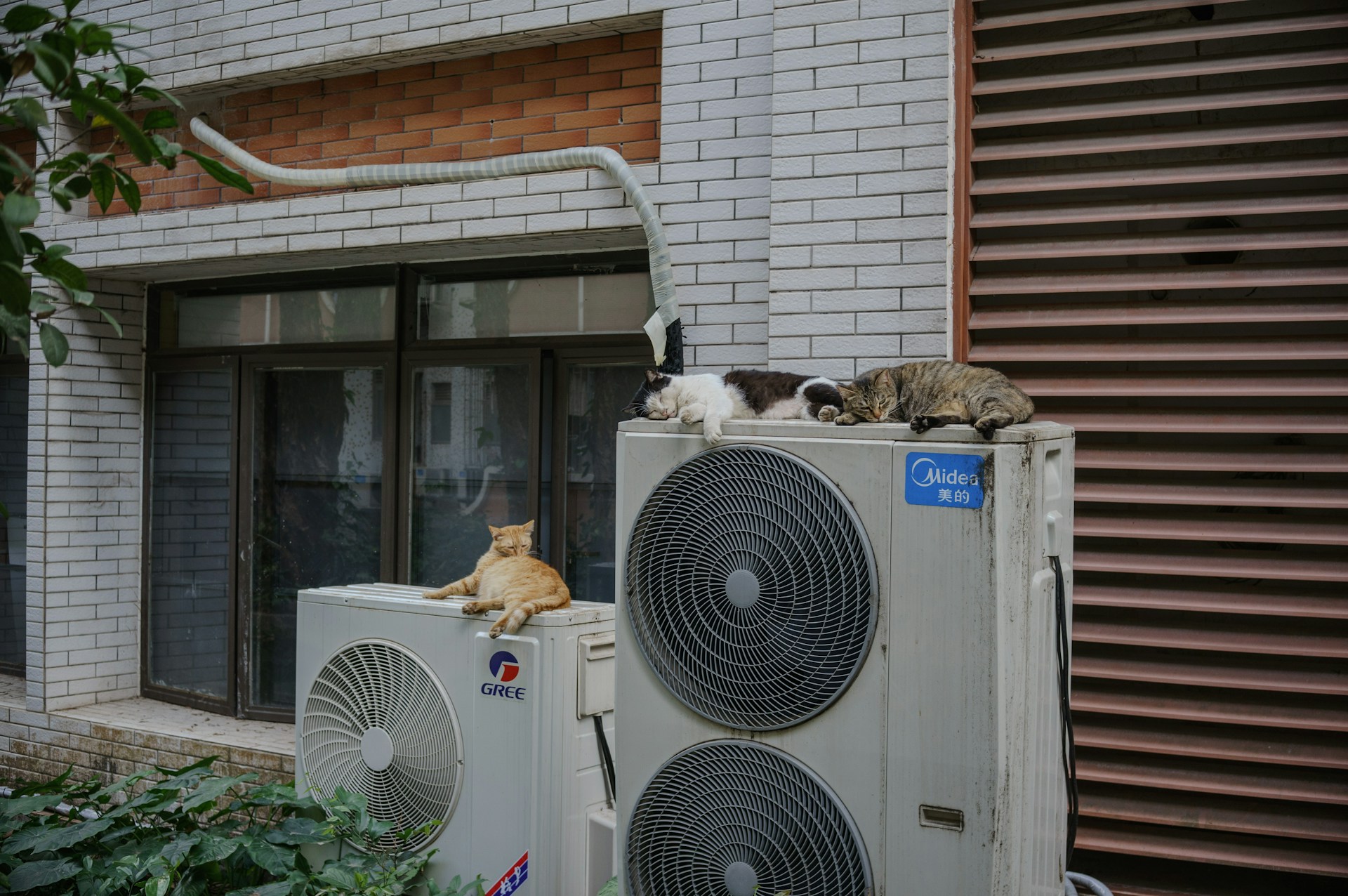
After a heat pump installation in your Pembroke Pines home, you expect consistent, cool air in every room. But sometimes, homeowners notice that certain areas feel warm while others are overcooled. If your home feels unevenly cooled, something may not be working correctly with the heat pump setup or the airflow system that supports it. Uneven temperatures can quickly lead to frustration and make it difficult to enjoy your living space.
Beyond comfort, uneven cooling also affects energy efficiency. Rooms that stay too warm may cause you to lower the thermostat, forcing the system to work harder than needed. That can increase wear on the unit and raise your energy costs. Good news is, there are clear reasons these problems happen and practical ways to correct them. Below, we will walk through common causes and effective steps to help restore balance and comfort throughout your home.
If you notice rooms in your Pembroke Pines home feeling cooler or warmer than others, several things could be causing the imbalance. Uneven cooling does not always mean the heat pump is faulty. Often, the problem lies in how the system is set up, how your home is structured, or how air is moving through the space.
Here are some common reasons this happens:
- Improper installation: If the heat pump was not installed the right way, it might not evenly distribute air. Everything from the location of the indoor unit to the size of the system plays a role. A unit that is too large or too small for your home can contribute to inconsistent temperatures.
- Incorrect thermostat settings: If the thermostat is programmed incorrectly, or it is placed in a spot that does not reflect the overall temperature of the home—like near windows or heat sources—it can cause the system to cool unevenly.
- Blocked or leaking air ducts: Over time, dust can collect inside ductwork or ducts can develop leaks. When this happens, the air meant to reach certain rooms does not get there with full force. Some rooms may end up warmer than expected, while others may feel fine.
- Restricted airflow: Something as simple as furniture blocking a vent can reduce how much air reaches a room. Dirty filters can also prevent proper airflow, stressing the system and lowering performance.
- Low refrigerant levels: If the system is running low on refrigerant, it may not cool your home evenly. This issue often shows up after a new installation if connections are not sealed correctly.
For example, a Pembroke Pines homeowner we recently helped had one bedroom that stayed warm despite lowering the thermostat. It turned out a vent in that room had been blocked by thick curtains and a bookshelf. Once these were moved and the vents cleaned, the room cooled just like the rest of the house.
It is helpful to spot these problems early to avoid system strain or higher electric bills later.
Before assuming there is a bigger issue with the heat pump, checking your thermostat is a good first step. Sometimes the problem is not with the unit—it is with how the thermostat is set or where it is placed.
Try these steps:
1. Check your set temperature: Make sure it is at a reasonable level and not set too cold. Going too far down can make the system run longer without solving the real issue of uneven air distribution.
2. Inspect the thermostat location: If it is installed near a vent, window, door, or direct sunlight, it might be reading the wrong temperature. This can cause the unit to shut off too soon or keep running longer than needed. The best place for a thermostat is in a hallway or a central area of the home away from heat or cold sources.
3. Look at your settings: If you have recently installed a programmable or smart thermostat, double-check the cooling schedules. Settings that cool some areas more than others can leave parts of the home feeling forgotten.
4. Consider an upgrade: Basic thermostats might not offer the same level of precision as modern smart versions. Options with room sensors can help detect uneven cooling and make adjustments automatically.
Making small tweaks to your thermostat setup can have a big impact on how comfortable your home feels. If these steps do not improve the situation, there may be an issue elsewhere in the system that needs inspection.
If the thermostat is working correctly but you are still experiencing uneven cooling, it is time to take a closer look at how air flows throughout your home. Poor airflow can keep certain rooms warm, even when the heat pump is running as expected. The good news is that many of these issues are simple to spot once you know where to look.
Start with the vents in each room. Look for any obstructions like furniture, curtains, wall hangings, or storage bins that could be blocking them. A blocked supply vent can stop cooled air from entering the room altogether. Likewise, return vents need to be accessible so air can recirculate back through the system. Keeping these areas open lets the system perform more efficiently.
Ceiling fans can also help improve circulation, especially in rooms furthest from the indoor unit. In the warmer months, fans should spin counterclockwise to push cool air downward. If one room always feels warmer, a ceiling fan may help balance the temperature. Do not forget to check the fan’s direction—this small detail can make a noticeable difference.
Filters play a bigger part in airflow than most homeowners realize. A clogged air filter creates resistance, which limits how much air the system can move. This restricted airflow can lead to uneven cooling and increased wear on the equipment. Replacing filters every one to three months can help keep things running smoothly. Homes with pets, construction activity, or high dust levels may need more frequent changes.
Another thing to consider is the condition of the ductwork. Ducts with small holes or poorly sealed connections allow cooled air to escape before it ever reaches the room. While that kind of problem might not be easy to diagnose without opening walls or attic space, it is something our technicians can check during a service visit.
If your heating or cooling system is struggling to push enough air through the ducts, airflow balancing or duct upgrades might be necessary. A qualified inspection can confirm whether these adjustments will solve the problem.
When adjustments to vents and thermostats do not even out the temperatures across your home, the next step is to have our professionals take a close look at your system. Some uneven cooling problems are not visible to the eye and need testing or diagnostics tools to pinpoint the cause.
Our technicians can begin with a full inspection of the heat pump system to confirm that it was installed and set up correctly. Proper sizing is one of the first things they will check. If the unit is too powerful or too small for your home's layout, it will not efficiently control temperatures across multiple rooms. In some cases, that can make the heat pump cycle on and off frequently, creating hot or cold spots.
Ductwork design also plays a big role here. In many homes, the ductwork may have been designed for an older system or a different heating method. Over time, extensions and renovations can add rooms without modifying the ducts. That strains the system and prevents air from reaching every corner evenly. Our technicians can evaluate the path of the ducts and identify places where sealing or reshaping would help.
Another professional service that can bring big improvements involves zoning. Some homes benefit from zoned systems that split different areas into separate temperature-controlled sections. This setup works well for larger homes, especially when one level tends to be warmer or cooler than the others.
Finally, our professionals will make sure there are no mechanical failures within the system itself. That includes checking the blower motor, refrigerant levels, and all components of the air handler. Even something small like a slipping fan belt can stop the cooled air from reaching where it is needed most.
These steps take the guesswork out of the problem and give homeowners a clear path to comfortable, balanced cooling.
Uneven cooling after heat pump installation can be frustrating. But it usually points to something that can be fixed. Whether it is a blockage, a setting, or a design issue, knowing what to look for makes it easier to take action. Start with the basics—check the vents, filters, and thermostat. Sometimes a small adjustment is all it takes.
If the problem continues, professional service makes a real difference. With a full inspection, proper airflow testing, and equipment checks, every part of your Pembroke Pines home can stay consistently cool. Making these improvements not only boosts comfort, it also helps the system work as it should, lowering strain and energy use over time.
If uneven cooling is causing frustration in your Pembroke Pines home, explore how our expert heat pump installation in Pembroke Pines can help restore balanced comfort across every room. All Air Conditioning Mechanical is committed to resolving these issues through comprehensive inspections and tailored solutions. For a quick estimate or to book a service visit, please contact us today.